


Over the past 24 to 48 hours, the EUR/USD exchange rate has experienced notable volatility. Hovering around yesterday’s closing price of 1.14622, the market came under pressure from a hawkish Federal Reserve stance, pushing EUR/USD below the key 1.1500 level. The Memorandum of Understanding (MoU) between the US and Iran, particularly regarding the reopening of the Strait of Hormuz and some financial relief for Iran, indirectly supported safe-haven demand for the US dollar, weighing on the euro. Weakness in the DAX index further dampened risk appetite in the eurozone, adding downward pressure on the currency.
For investors, this environment signals that despite easing geopolitical tensions, the market remains cautious about the Fed’s tightening bias, giving the dollar a boost in the near term. Although some forecasts suggest the euro could stabilize gradually thanks to geopolitical improvements, the recent hawkish policy tone and the muted euro reaction to the ECB’s rate hike serve as a reminder of rising volatility risks.
Investors should watch upcoming Fed policy guidance and European economic data closely to gauge EUR/USD’s direction. Overall, the past two days reflect a complex scenario – geopolitical easing creating a slight loosening, yet central bank policies and market risk sentiment predominantly driving movements.
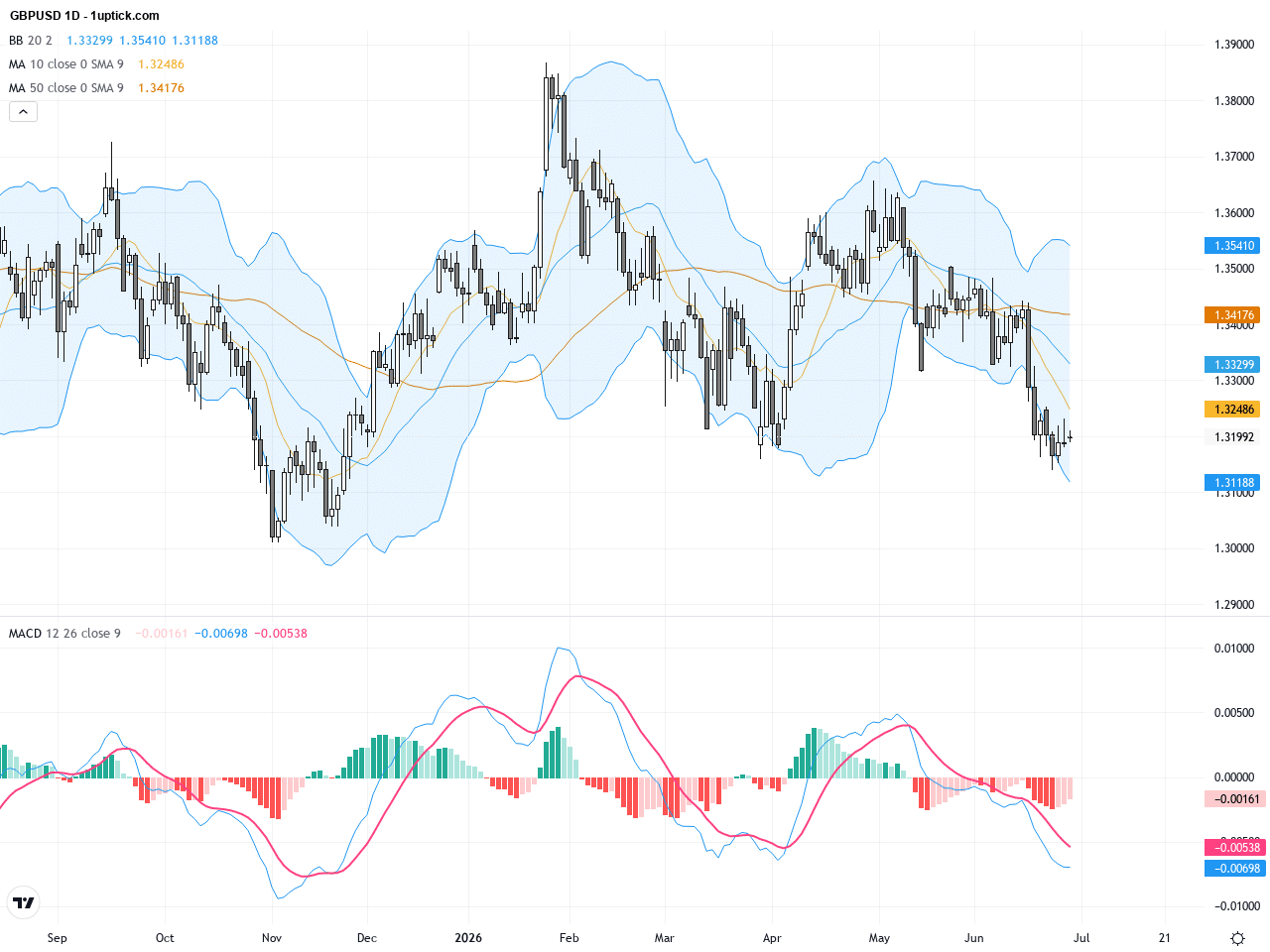
The daily chart reveals a clear downtrend over the past week, with EURUSD falling from around 1.165 towards the 1.146 area. Both the 50-day and 200-day moving averages sit above 1.16, confirming longer-term bearish pressure. The Bollinger Bands are widening downward, indicating increased volatility. MACD remains negative, signaling persistent bearish momentum. Overall, the medium to long-term trend remains under strain with no immediate reversal signals.
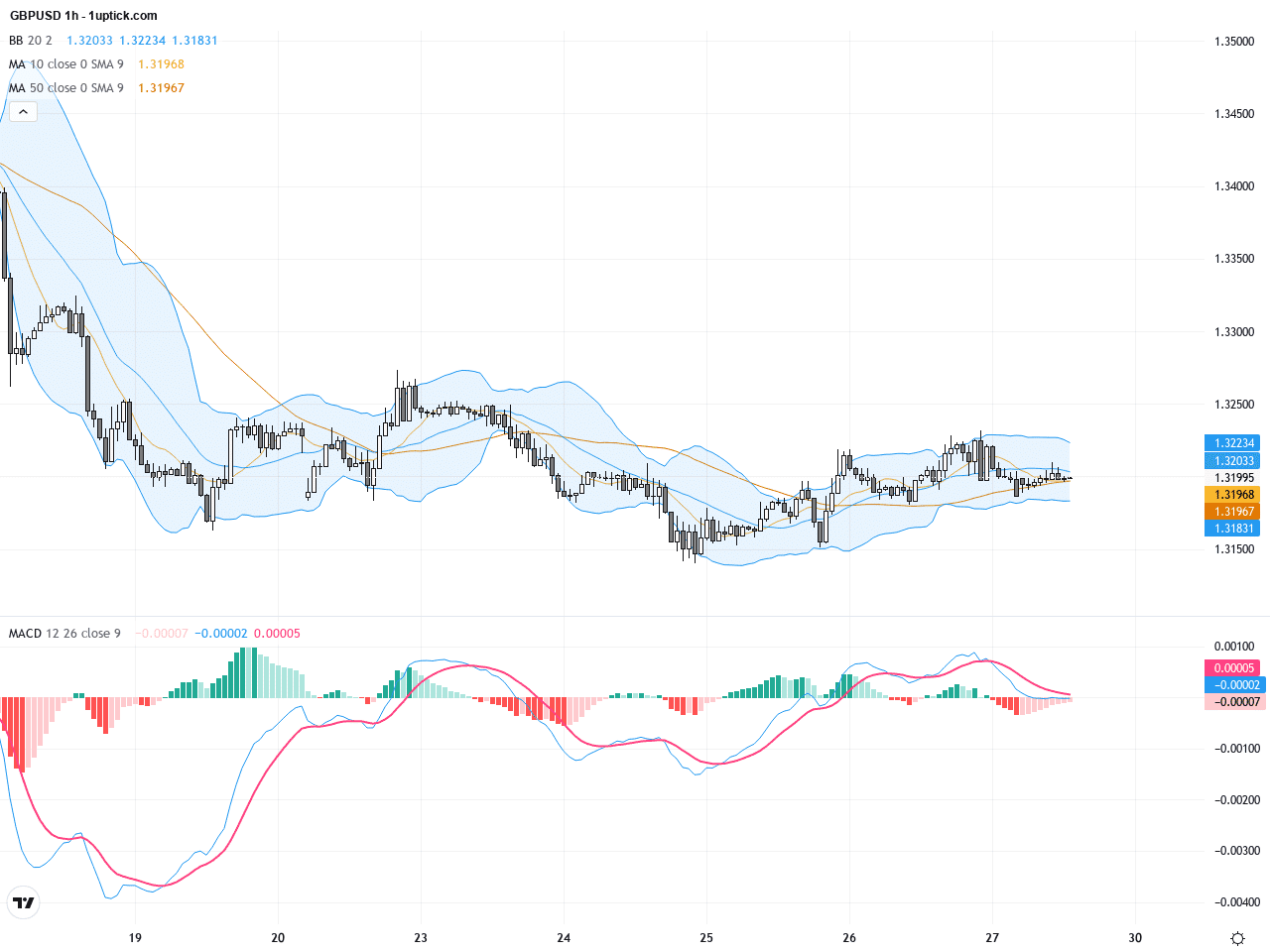
The last five days on the hourly chart show intensified volatility within a downward trend. Short-term moving averages, such as the 20 EMA, slope downward and price has tested and broken the 1.147 support multiple times, causing brief pullbacks. MACD hints at possible divergence and RSI is in oversold territory, suggesting a short-term technical rebound could occur. Nonetheless, the dominant trend remains down, cautioning traders about potential trend continuations.
Technical Trend: EURUSD is firmly in a confirmed downtrend recently, with limited short-term recovery potential, best described as cautiously bearish.
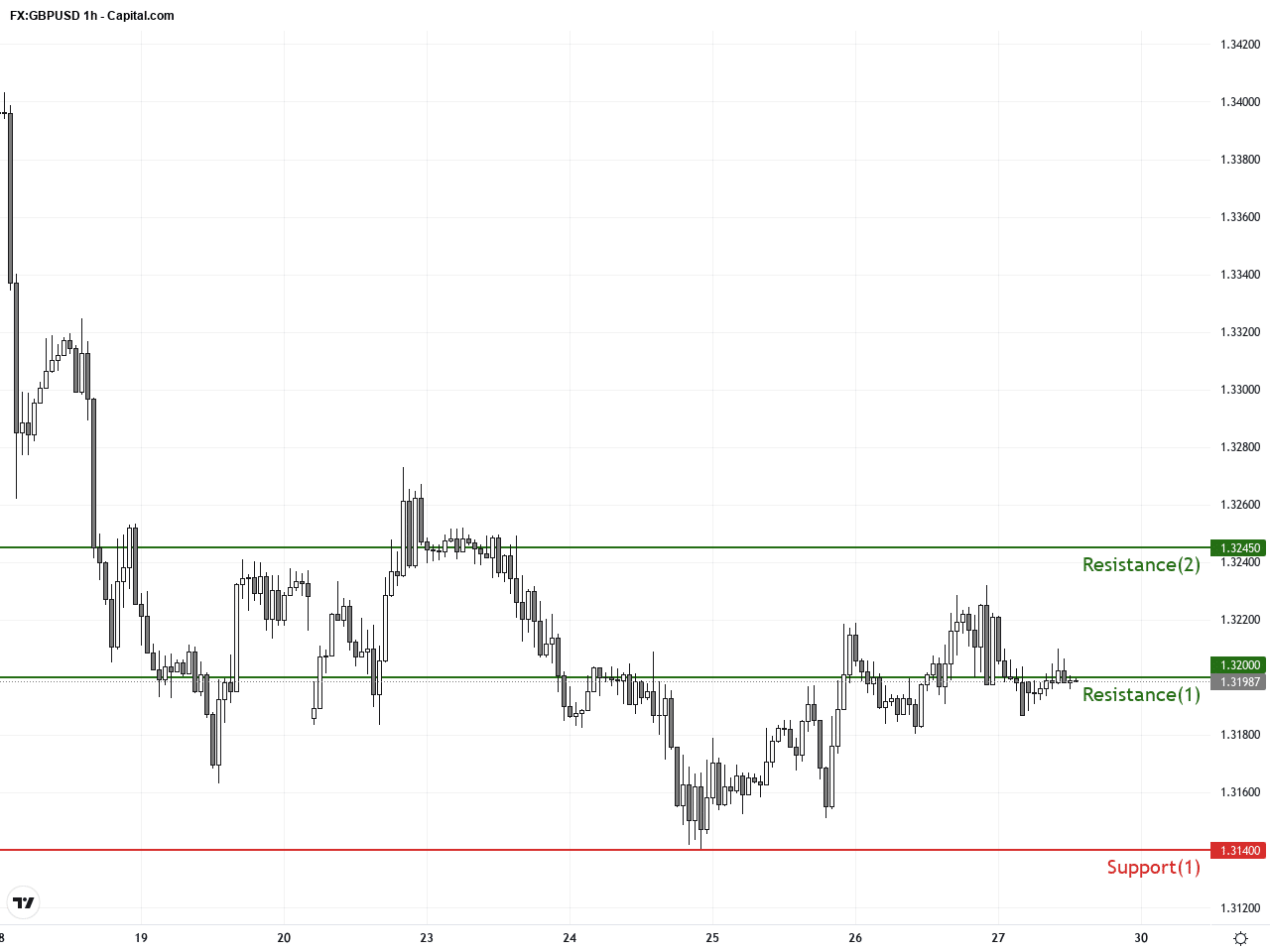
Technically, EURUSD maintains a bearish stance on the daily chart, though short-term oscillators like MACD and RSI hint at a possible corrective rebound. Immediate support lies at 1.147, with a potential bounce target near 1.152 resistance. A break below 1.145 would likely deepen the downtrend. The market awaits a clear directional trigger; short-term trading strategies should favor the bearish trend but remain mindful of countertrend moves.Today’s economic calendar offers limited directly relevant data for EURUSD. The Eurozone’s April current account figures came in line with expectations, showing no significant surprises. UK labor market data, while strong, tends to impact GBP more than EUR. Overall, no major economic events today are expected to meaningfully shift EURUSD pricing. Traders should instead focus on broader market sentiment and upcoming Fed updates.
Resistance & Support
The above financial market data, quotes, charts, statistics, exchange rates, news, research, analysis, buy or sell ratings, financial education, and other information are for reference only. Before making any trades based on this information, you should consult independent professional advice to verify pricing data or obtain more detailed market information. 1uptick.com should not be regarded as soliciting any subscriber or visitor to execute any trade. You are solely responsible for all of your own trading decisions.